
Hardwired Smoke Alarm Installation And Compliance On The Central Coast
Smoke alarms do not have to be hardwired in every existing NSW home. The answer depends on your property’s construction and approval history, including later renovations. A residential electrician on the Central Coast can check which requirements apply before you replace an alarm or choose a battery-only unit.
At DLG Electrical & Solar, we supply and install hardwired smoke alarms and assess existing coverage. Here is what to consider when planning an upgrade for your home or rental property.
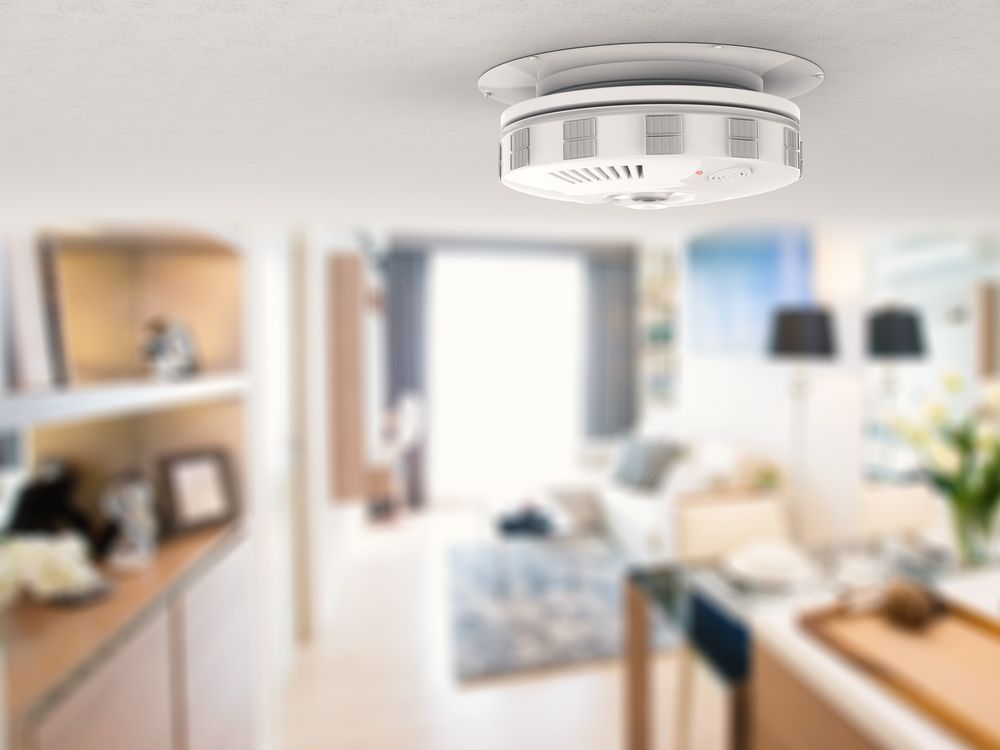
Do Smoke Alarms Have to Be Hard Wired?
Some existing homes can use compliant battery-powered smoke alarms, while alarms required under building approvals may need mains power with battery backup. Your home’s age is a starting point, but its approval conditions and renovation history matter too. A substantial renovation can affect the requirements applying to the property.
This means an older home is not automatically allowed to use battery-only alarms everywhere. If an extension or previous building approval required hardwired alarms, replacing them with standalone battery units can leave the property non-compliant.
For example, imagine a hypothetical older home in Woy Woy with a newer upstairs extension. The original house may predate later building requirements, but the extension’s approval could require hardwired alarms. Before replacing a failed unit, we would check the existing arrangement and any available approval documents rather than assume the oldest part of the house determines the answer.
Understanding Smoke Alarm Requirements in NSW
The general NSW minimum is at least one working smoke alarm complying with AS 3786 on each level. That is a starting point, rather than a complete design for every property. New buildings and approved alterations can have additional requirements under the National Construction Code and relevant approvals.
Fire and Rescue NSW recommends photoelectric smoke alarms that are hardwired and interconnected. This recommendation should be distinguished from a blanket claim that every existing NSW home must already have photoelectric alarms throughout. We recommend checking the alarm type on every level when planning replacement.
Correct positioning also matters. An alarm should help detect smoke before it reaches sleeping occupants, with placement following the manufacturer’s instructions. Fire and Rescue NSW recommends additional coverage in bedrooms and living spaces, including hallways and stairways, beyond the minimum one-per-level arrangement.
Do Hard Wired Smoke Alarms Have Batteries?
Yes. Hardwired smoke alarms use the home’s mains electricity supply and have a backup battery so they can operate during a power failure. A connection to household power does not remove the need to check battery condition.
The maintenance routine depends on the model. Some alarms have replaceable backup batteries, while others use sealed batteries. Follow the manufacturer’s instructions for the particular alarm and avoid assuming that every hardwired unit takes the same battery.
A chirping alarm needs attention even when its mains indicator is illuminated. Check the model’s instructions for the signal’s meaning and arrange help if it continues. Replacing a battery also does not renew the alarm itself: an ageing unit can still be due for replacement.
When Replacement Needs an Electrician
You need a licensed electrician to install hard wired smoke alarms. NSW Government guidance also requires landlords to use a licensed electrician to repair or replace a hardwired alarm in a rental property. For homeowners, booking an electrician for hardwired smoke alarm replacement allows the supply, connections and alarm compatibility to be checked together.
One easily missed detail is the mounting base. A new alarm will not necessarily fit the old base, even if the casing looks similar. Manufacturers specify compatible models and bases, so the replacement should be selected by model compatibility rather than appearance.
Where alarms are interconnected, compatibility needs checking across the system too. Tell us whether you are replacing one alarm or several, and provide model details if they are available without removing the unit. This helps us plan the replacement before attending.
Check Age and Rental Responsibilities
Smoke alarms need replacement at least every 10 years, or sooner where the manufacturer specifies. For rental properties, NSW rules require replacement within 10 years of manufacture, annual working-order checks and battery maintenance at the applicable intervals. Keep the manufacturing date, model details and maintenance records together so replacement dates are easy to track.
Landlords must also arrange repair or replacement of a non-working alarm within two business days of becoming aware of it. A reported fault should not wait until the next routine inspection.
For an older Central Coast home, checking every level is more useful than replacing only the most obvious ageing alarm. Include downstairs living areas and later additions in the assessment, especially where the layout has changed over time.
Planning Your Central Coast Installation
When arranging smoke alarm installation on the Central Coast, ask for the quote to identify the proposed alarm models, locations, backup power and any interconnection work. Let us know about extensions, previous alarm faults and access restrictions so we can assess the scope.
If you are comparing a straightforward replacement with a broader upgrade, ask what each option includes. The number of alarms, wiring access and compatibility with existing units can affect the work required.
Older homes with ceramic fuses may also benefit from an assessment for switchboard upgrades. We can discuss both jobs together where relevant, while checking whether a board upgrade is actually needed for your property.
The key is to choose replacement alarms around your home’s requirements, existing system and layout. Checking power supply, age and coverage together gives you a clearer basis for deciding what to install.
If you need a residential electrician Central Coast property owners can contact for smoke alarm installation, get in touch with DLG Electrical & Solar. We can assess your existing alarms and quote for suitable replacement or installation work.
Frequently Asked Questions
How often should I test my alarms?
Fire and Rescue NSW recommends pressing the test button monthly and cleaning alarms with a vacuum cleaner every six months. Follow the manufacturer’s instructions for your model as well.
Can battery alarms be interconnected?
Some battery-powered models support wireless interconnection, subject to manufacturer compatibility. That feature does not make a battery alarm an acceptable substitute where your property requires a mains-powered unit.
What should I prepare before booking?
Tell us how many storeys your home has, approximately how many alarms are installed and whether you know their age or model. Available renovation approvals and records of previous electrical work can also help clarify the existing requirements.
Should I check alarms before selling?
Yes. Reviewing alarm age, coverage and maintenance records before listing gives you time to address faults or arrange an assessment. Selling is a useful prompt to check an existing system, especially where the property’s renovation history is unclear.


